'Reconstruction of a past still to come'

'RECONSTRUCTIONS OF A PAST STILL TO COME'

Libya, Egypt, Lebanon, Turkey, Greece, Slovenia. My colleagues and I traveled a big part of the Mediterranean to film different sides of the ongoing refugee crisis. I incorporate the impressions of these stories in an experimental series of documentary paintings. Balancing on the edge of figurative and contemporary art, these paintings tell a deeper story of human hardship behind their visual accessibility.

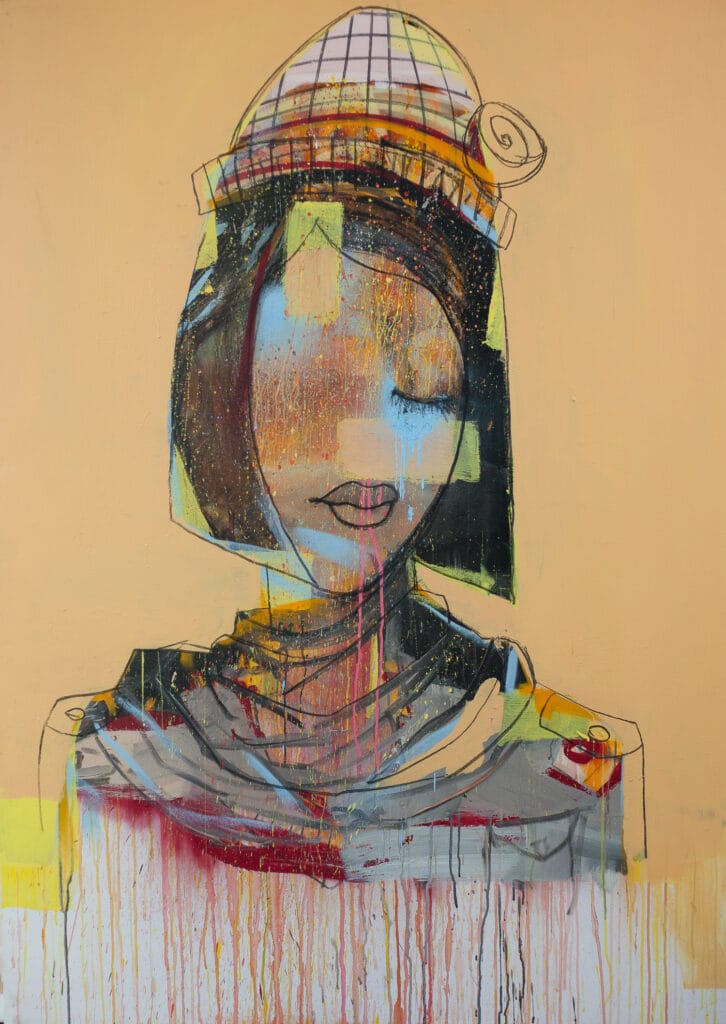
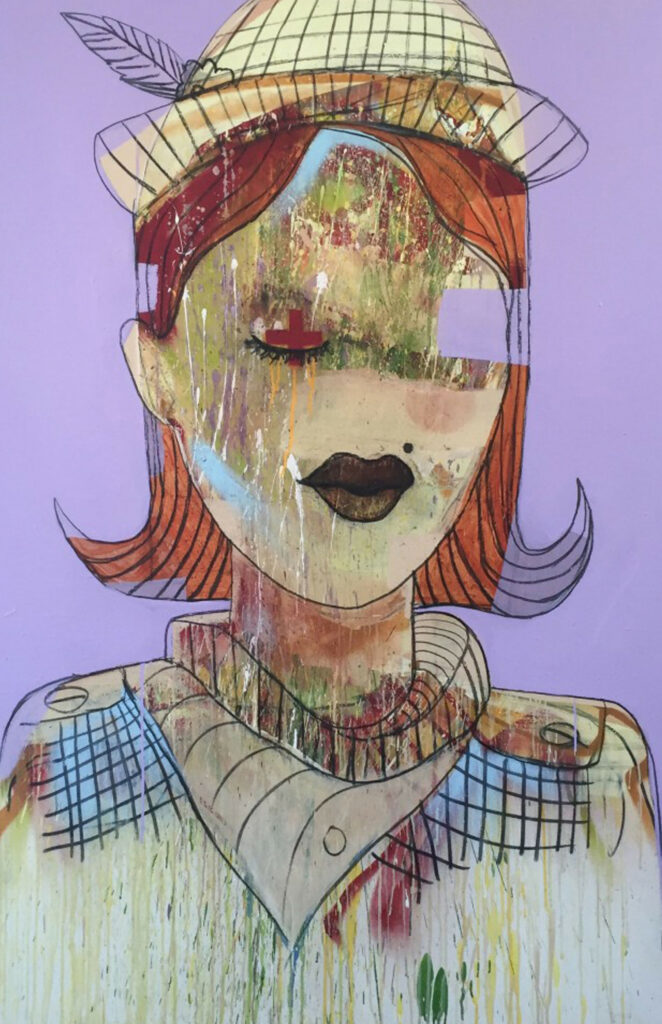
'Salima La Bien Aimée' - Alexander Koning

‘Salima la Bien Aimée’ (2016)
Acrylics, spray paint, gesso, and charcoal on cotton canvas
120 × 170 cm (47.2 × 66.9 in)
Unique | Sold

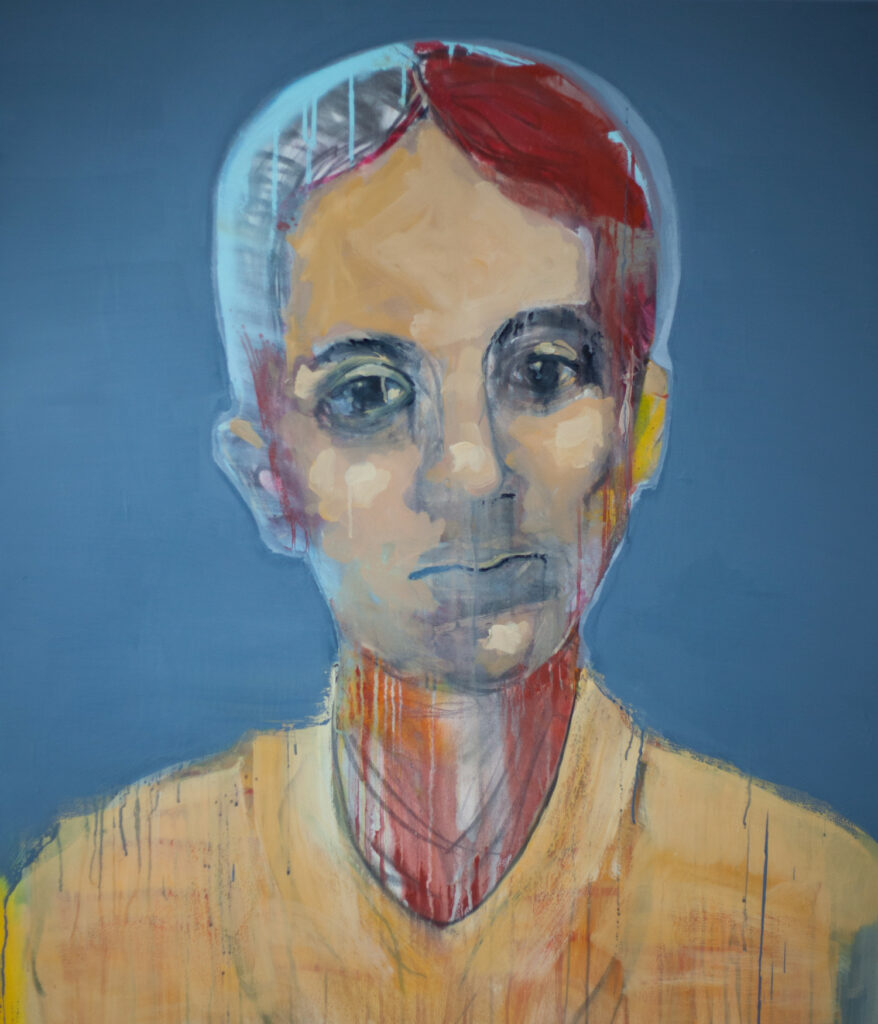
'Mounir Le Raisonnable' Alexander Koning

‘Mounir Le Raisonnable’ (2015)
Acrylics, spray paint, gesso, and charcoal on cotton canvas
120 × 170 cm (47.2 × 66.9 in)
Unique | Private Collection

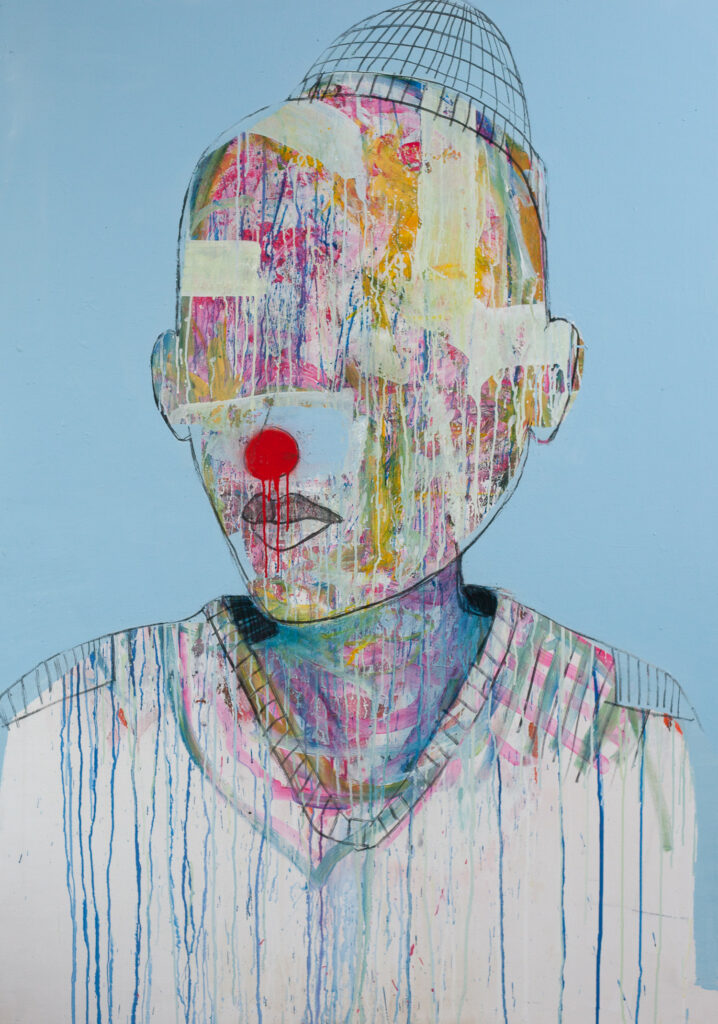
'Marie-Ange L'Auras Voulu' Alexander Koning

‘Marie-Ange L’Auras Voulu’ (2016)
Acrylics, spray paint, gesso, and charcoal on cotton canvas
120 × 170 cm (47.2 × 66.9 in)
Unique | Destroyed

'They Called Her Silence' Alexander Koning

‘They Called Her Silence’ (2021)
Acrylics, spray paint, gesso, and charcoal on cotton canvas
120 × 170 cm (47.2 × 66.9 in)
Unique | Available

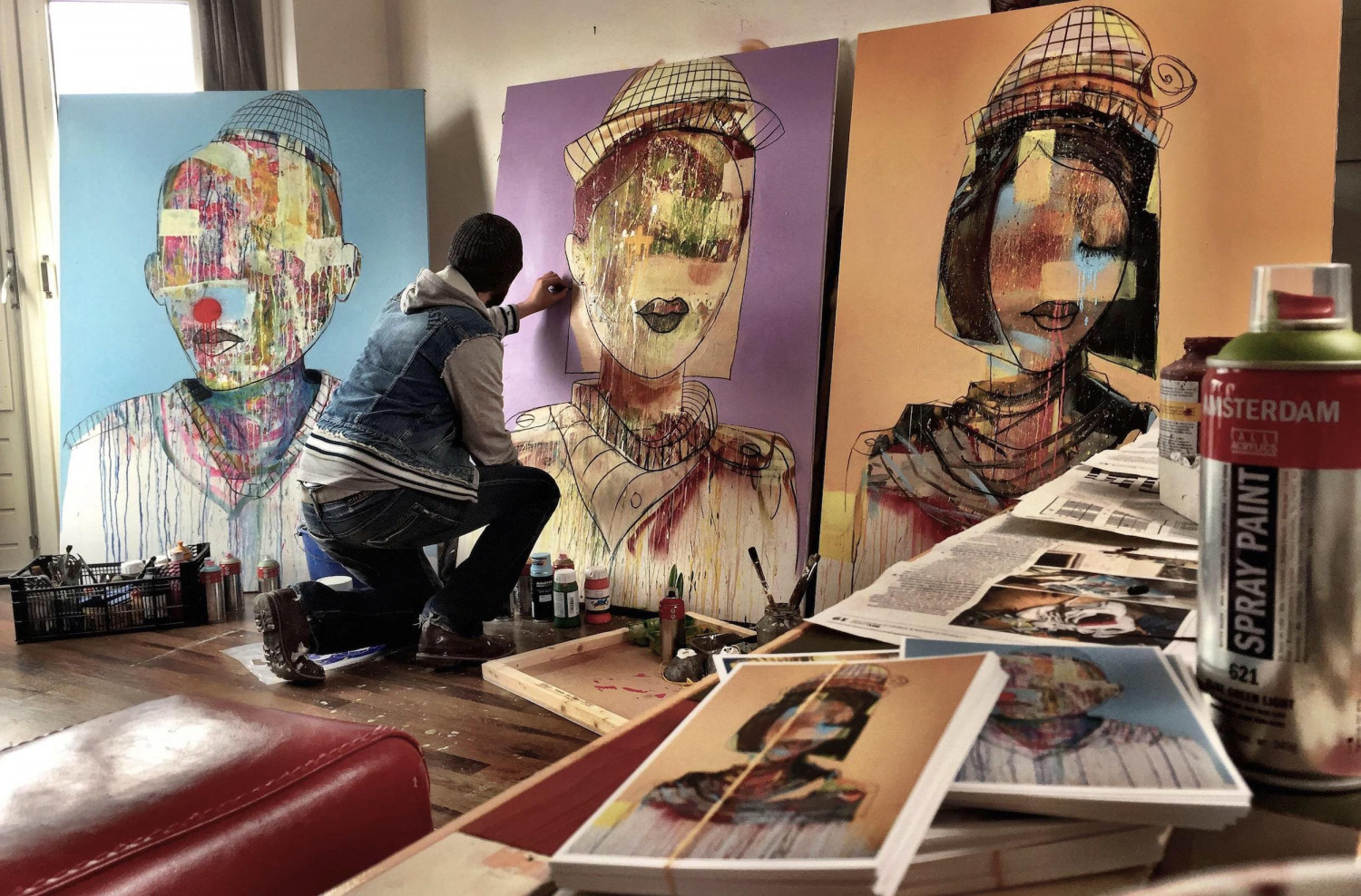
Kunstenaar Alexander Koning
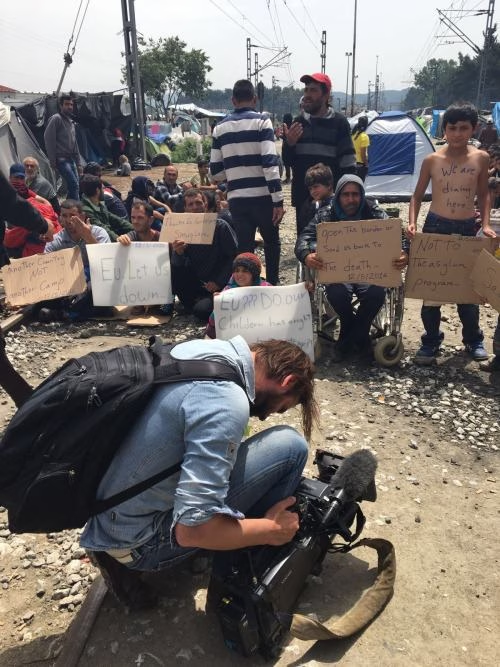
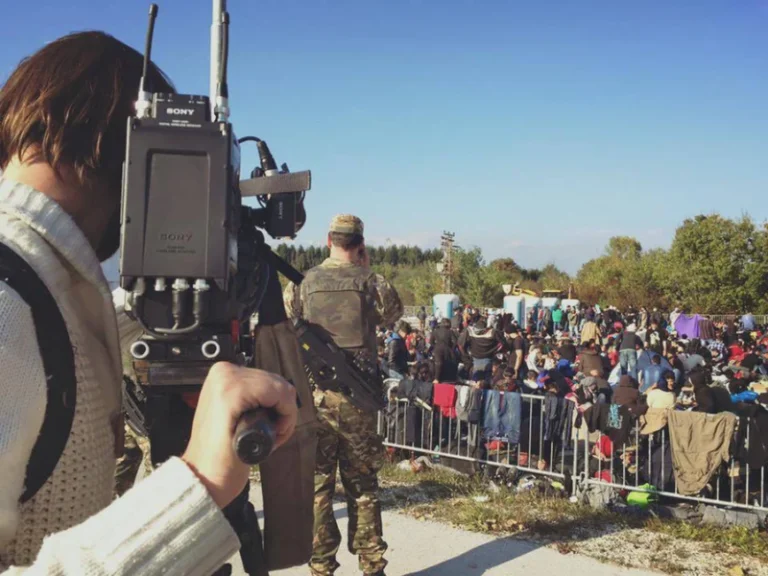
Alexander Koning - Cameraman
Filming the refugee crisis in Slovenia
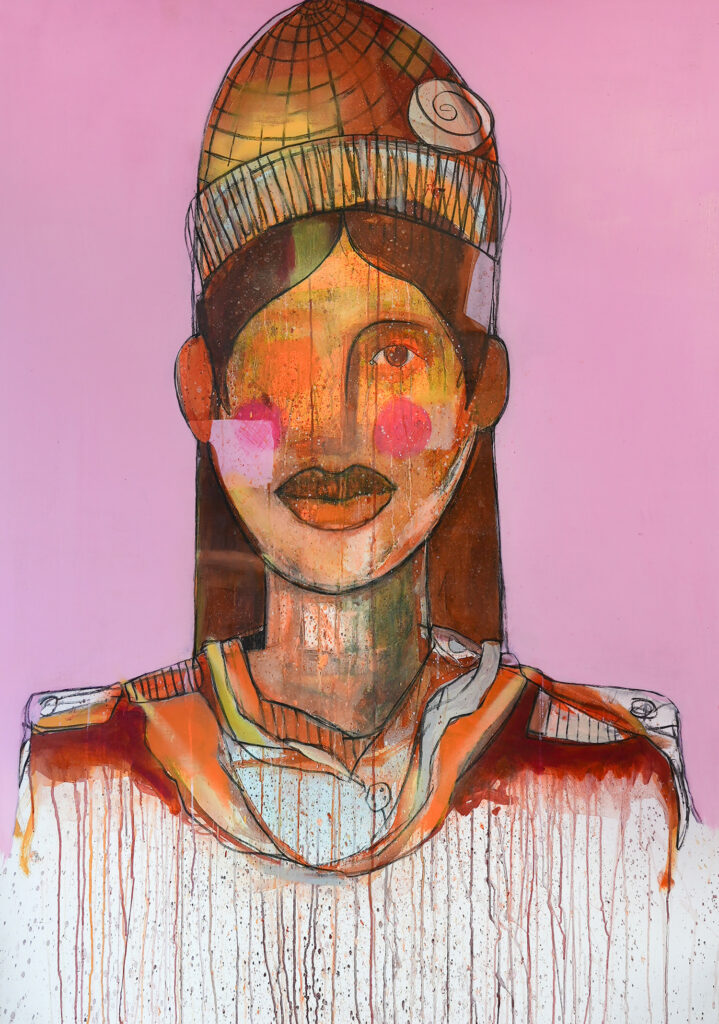
'Welcome To Europe / La Vie en Rose' Alexander Koning

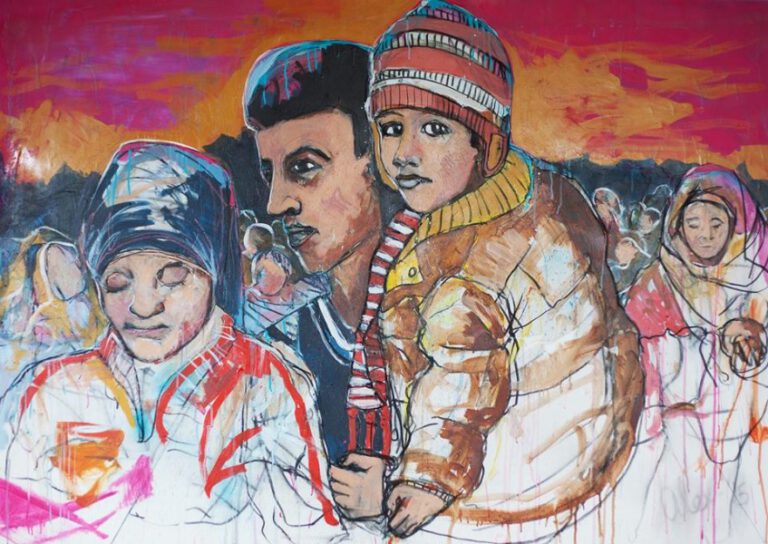
‘La Vie en Rose (Welcome to Europe)’ (2016)
Acrylics, spray paint, gouache, and charcoal on cotton canvas
170 × 120 cm (66.9 × 47.2 in)
Unique | Private collection

The idea of documentary painting was born in Jakarta, August 2015. During an interview for a film, I noticed a massive painting on the wall depicting the brutal anti-communist purges of 1965–1968. The man we interviewed had survived those massacres and had since become one of Jakarta’s wealthiest businessmen. He kept the painting as a reminder of survival, of victory, of history staring back at his former enemies.


In that moment, I understood that painting could document reality as powerfully as video.

Until then, my work had focused on technique, color, and composition rather than testimony. But I began to think of painting as it once was during the Renaissance, a medium that recorded history, like Delacroix’s Liberty Leading the People.

That’s when the documentary value of painting struck me.

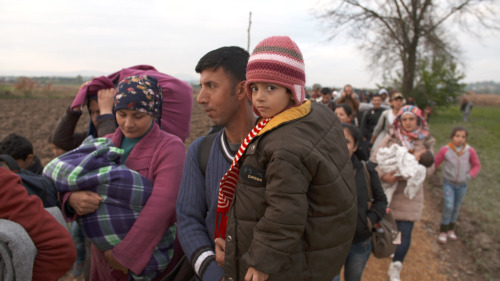
A few months later, while filming refugee stories across the Mediterranean, one scene stayed with me: a father carrying his son on a long walk between the Croatian border and Slovenia. That image became La Vie en Rose (Welcome to Europe) (2016). It captured the first fracture in optimism, the realization that Europe was not “going to manage this.”, like German Prime Minister Angela Merkel suggested. It felt like a moment that needed preservation.


I became aware of how quickly public sentiment shifted: from compassion after the drowning of the small immigrant child Alan Kurdi to fear and anger after the sexual aggression by immigrants during New Year’s Eve 2015 in Cologne, Germany. These emotional swings fascinated me.


I found this where interesting sentiments to document and I tried to paint characters showing a specific emotion during the crisis. I wanted to make a series that would ultimately be useful in reconstructing the past that awaits us. ‘Reconstructions of a Past Still to Come’ would be the name of the series. 


In this series, ‘Mounir le Raisonnable’ (2015) stands for the reasonable refugee not having anything to do with what happened in Cologne but still being judged for it as if he had participated.


After came ‘Salima La Bien Aimée’ (2016) (The Beloved Salima). Salima tells us the story of a Syrian girl growing up in Europe and adapting wonderfully to our society because we want her to so much. We love and compliment her on her achievements of learning our language, our ways, and our style of dressing, but deep inside Salima is sad about the part of her identity she had to cover up and leave behind.

‘Le Voyage’ (2015) shows the gaze I noticed in the eyes of refugees before their dangerous crossing from Turkey to the Greek Island of Lesbos. The painting also depicts the devastating realization that surviving the journey  was not the only challenge they would face. 

‘Marie-Ange L’Auras Voulu’ (2016) will play the role of the ‘Gutmensch.’ A term that some people tend to use to describe someone with a compassionate heart for the asylum seekers. A person who simply does not understand that their good intentions will ultimately mean the destruction of our ‘glorious’ society. 

‘Karim le Benjamin,’ (2016) the youngest member of the family, is a symbol for what looks like a global enlargement of the Palestinian/Israeli conflict. The rhetoric of building walls, sinking ships, and expelling Muslims versus the sentiment to help the victims of war and risking taking in terrorists by doing so.


‘They Called Her Silence’ (2021)  During the heavy polemics surrounding the pandemic, at some point I found wisdom in silence. 



'Le Voyage' - Alexander Koning

‘Le Voyage’ (2015)
Acrylics, spray paint, and charcoal on cotton canvas
100 × 120 cm (39.4 × 47.2 in)
Unique | Sold

Alexander Koning - Cameraman

© Alexander Koning 2026. All rights reserved.